
Ecommerce SEO services for brands improving structure, templates, and category growth

Growth in search usually starts with better structure
The biggest gains often come from improving how collections, categories, supporting content, and internal links work together. Better rankings tend to follow when the page network is clearer, more commercially useful, and easier for both users and search engines to understand.
SEO work tied to real trading


Ecommerce SEO gets expensive when structure and merchandising drift apart
Ecommerce SEO usually breaks down when category structure, landing pages, and merchandising decisions are being made in isolation. The site ends up with weak categories, competing intents, or thin filters soaking up attention without supporting the pages that actually need to rank.
The better route is to align technical structure, commercial priorities, and content depth so the catalogue can trade properly while still building clearer search visibility over time.
SEO projects that needed to hold up




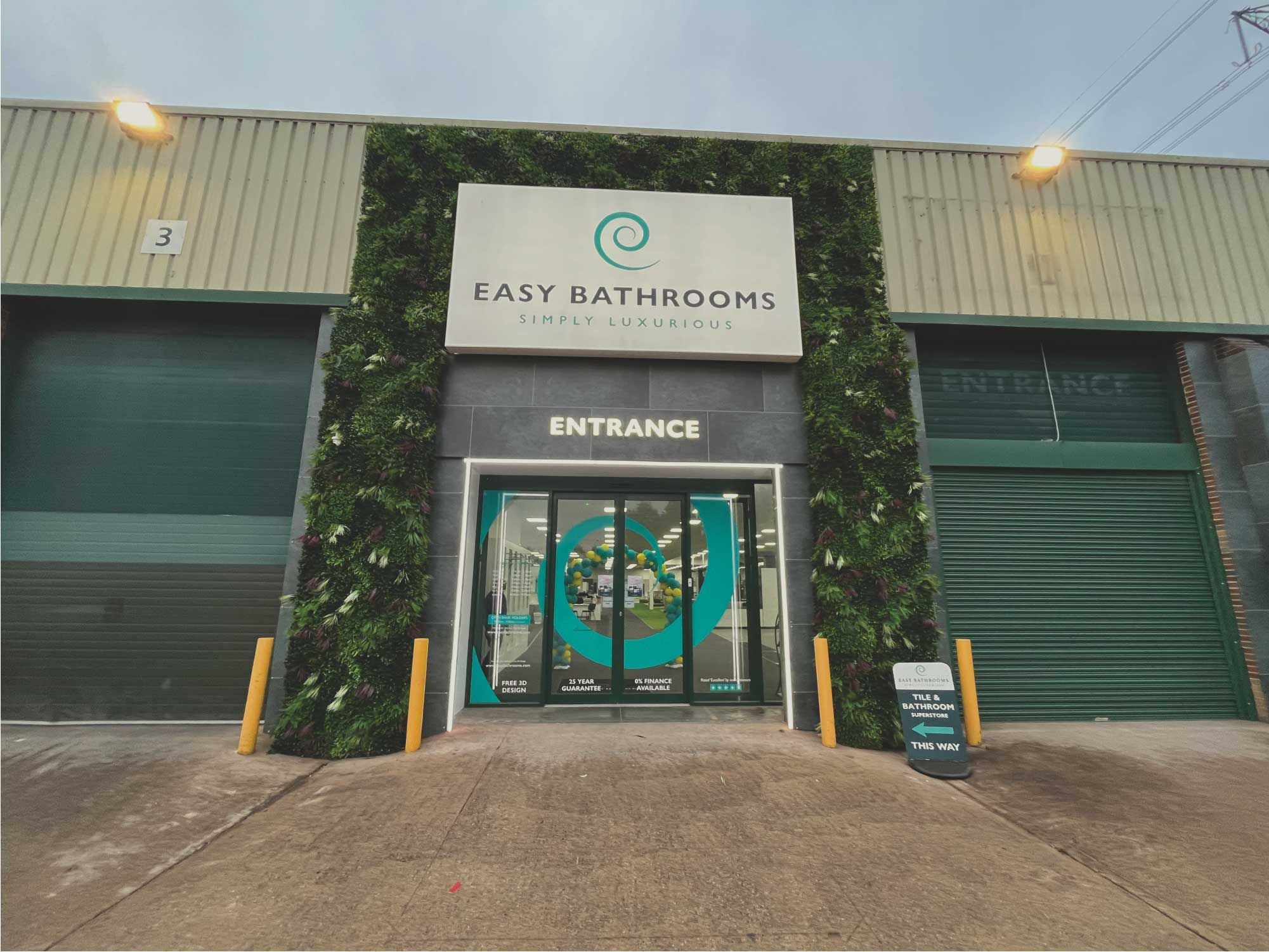
Search growth depends on category logic, landing pages, and template quality working together
That can include:
category and collection-page architecture
crawl control for filters, variants, and thin routes
internal linking that reinforces commercially important landing pages
template and content improvements for key category and brand pages
campaign and seasonal landing pages that support wider growth
The point is to make the ecommerce structure easier to trade through and easier for search engines to understand at the same time.
Ecommerce SEO, structure, and category growth







Questions around ecommerce SEO
eCommerce SEO is rarely just about metadata. It usually depends on category structure, indexation, internal linking, supporting content, and whether the site gives search engines strong commercial pages to rank in the first place.