Stage 01
Meet the team
Introduction to the assigned project team, here for you every step of the way.



Businesses change faster than their identity. The offer broadens and the team becomes more capable, yet the message and visual direction can keep making the company feel smaller, safer, or less certain than it is.
Positioning closes that gap. It clarifies what the business stands for, who it is for, and how the offer should be understood before design decisions begin.
Some businesses do not have a
capability problem.
They have a perception problem.
Clarity changes how they land.

The work often starts with a mismatch between the business and the way it presents itself. Capability, standards, and ambition have moved forward, but the offer, message, and identity still belong to an earlier version of the company.
We sharpen the point of view and make the business easier to understand, so buyers see the quality and relevance of the work without having to decode it.

Positioning matters when it shapes what customers see. It should guide the language, hierarchy, visual identity, and website experience.
The scope can include offer clarification, messaging, tone of voice, visual identity refinement, website art direction, and content architecture. Because we also design and build what comes next, the thinking can move directly into the site or platform, where it becomes a practical system rather than a strategy document left on a shelf.
Stage 01
Introduction to the assigned project team, here for you every step of the way.
Stage 02
Understand the project requirements, goals, and objectives. This is the research phase where the team gathers all necessary information from stakeholders.
Stage 03
Craft a blueprint or prototype that reflects the client's vision, taking into consideration the user experience and overall functionality.
Stage 04
Get formal approval from stakeholders to move forward with the approved design.
Stage 05
Start building the product or system based on the signed-off design. This is the coding or construction phase.
Stage 06
Ensure that everything works as expected. Identify and fix any issues before the product is released.
Stage 07
Launch the project or system to its intended audience, making it publicly available or deployed to its final environment.
Stage 08
Provide continued support and maintenance to ensure the system or project remains operational and up-to-date.


We bring the offer, language, tone, visual direction, and content hierarchy into one clear system. That gives the redesign a stronger start, helps the sales story land quickly, and makes sure the identity holds together across the website and wider customer experience.
Jack Jahan
Ramsdens
Dean Oldham
JulesB
Pascal Culverhouse
Electric Tobacconist
Harvey Langer
Chatleys
Marc Thacker
AMJ Watches
Marc Walker
Mel Dexter
Deluxe Media Walls
NXT Hardware
Move beyond boxed ecommerce platforms with Techquity. We help established retailers who have outgrown restrictive ecommerce setups by building and supporting stores around real business needs, flexible platform choices, and long-t...
View serviceAs a Klaviyo Master Partner, Techquity helps established ecommerce brands make retention more structured, commercially useful, and dependable. We bring strategy, flows, campaigns, segmentation, design, data, migration, and ongoing...
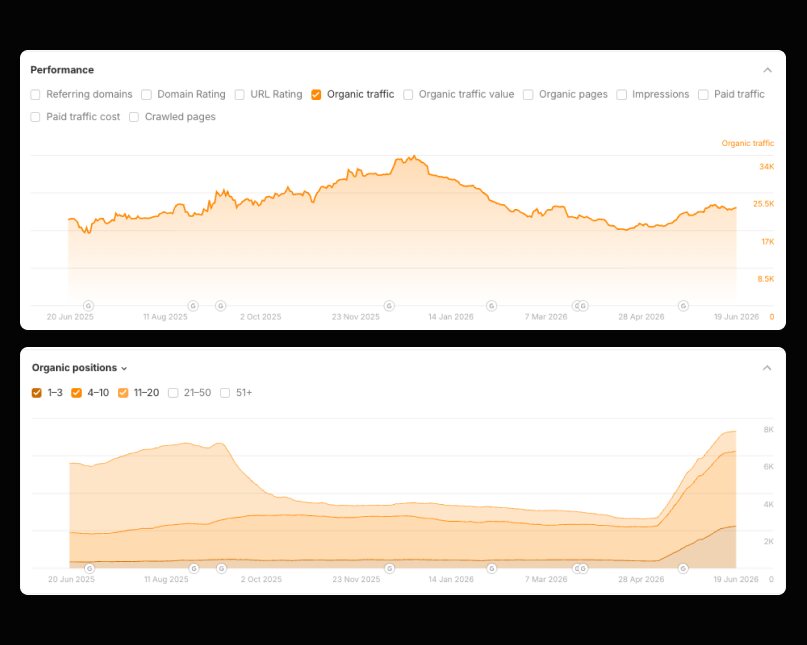
View serviceTechquity helps established ecommerce brands and service businesses turn organic search into a dependable growth channel. We improve technical quality, site architecture, content structure, migration safety, and the commercial pag...
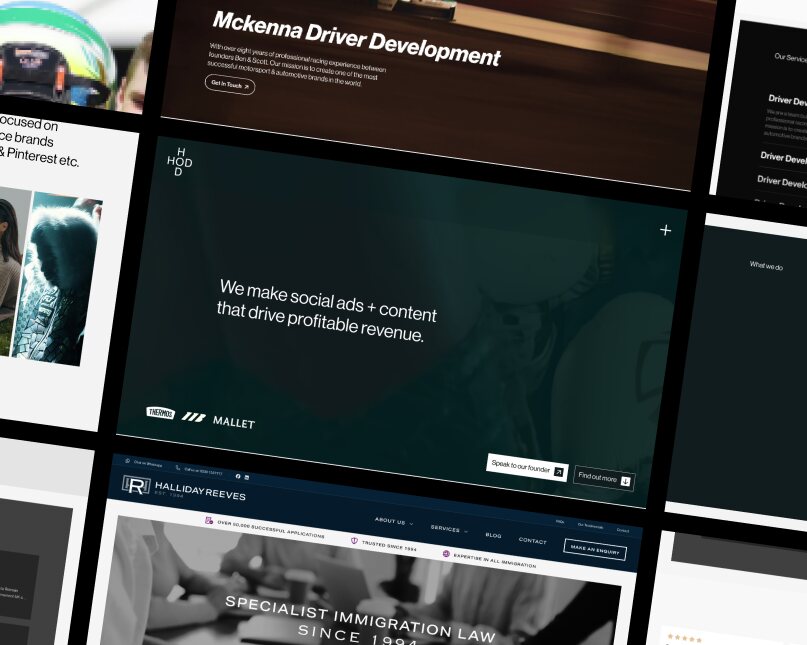
View serviceTechquity designs and builds websites for businesses that have outgrown vague messaging, safe design, and rigid templates. We bring positioning, information architecture, UX, content structure, CMS delivery, technical SEO, and sup...
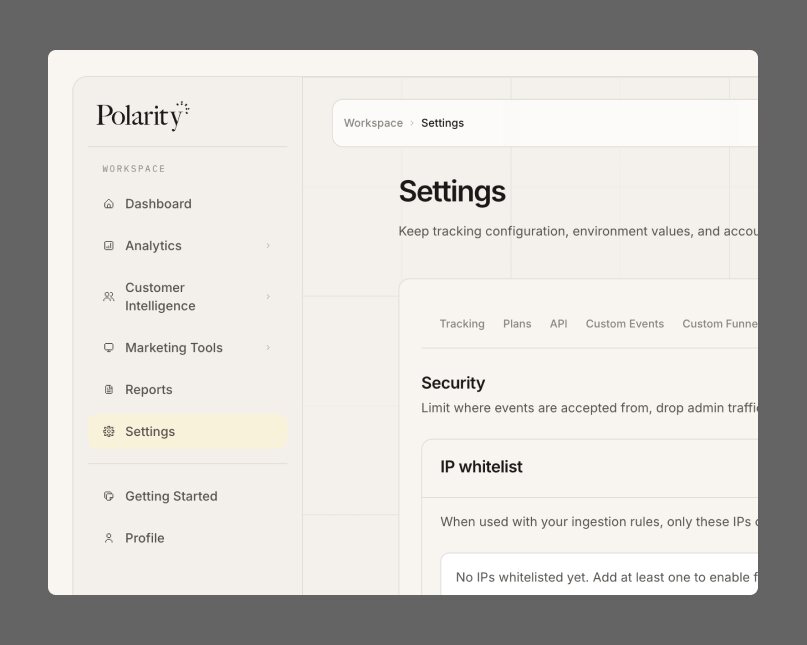
View serviceTechquity designs and builds software for businesses that have outgrown generic tools, fragmented systems, spreadsheets, and manual workarounds. We create portals, internal tools, reporting layers, workflows, and integrations arou...
View service