
AI SEO services for teams improving source pages, structure, and discoverability

AI visibility still depends on strong site foundations
The brands likely to benefit are the ones already improving content quality, technical clarity, and page usefulness. AI search does not replace the foundations. It raises the bar for how clearly the site explains what the business does and why its pages deserve to be surfaced.
AI search still rewards the clearest commercial source pages
Most AI-search briefs fail when they treat answer engines as a separate channel detached from the site. The better route is to strengthen the commercial pages, comparisons, explainers, and proof content those systems are likely to cite in the first place.
That means clarifying entities, answering follow-up questions properly, and making sure important pages are reinforced through internal links instead of being left as isolated landing pages.
Projects where search visibility had to adapt



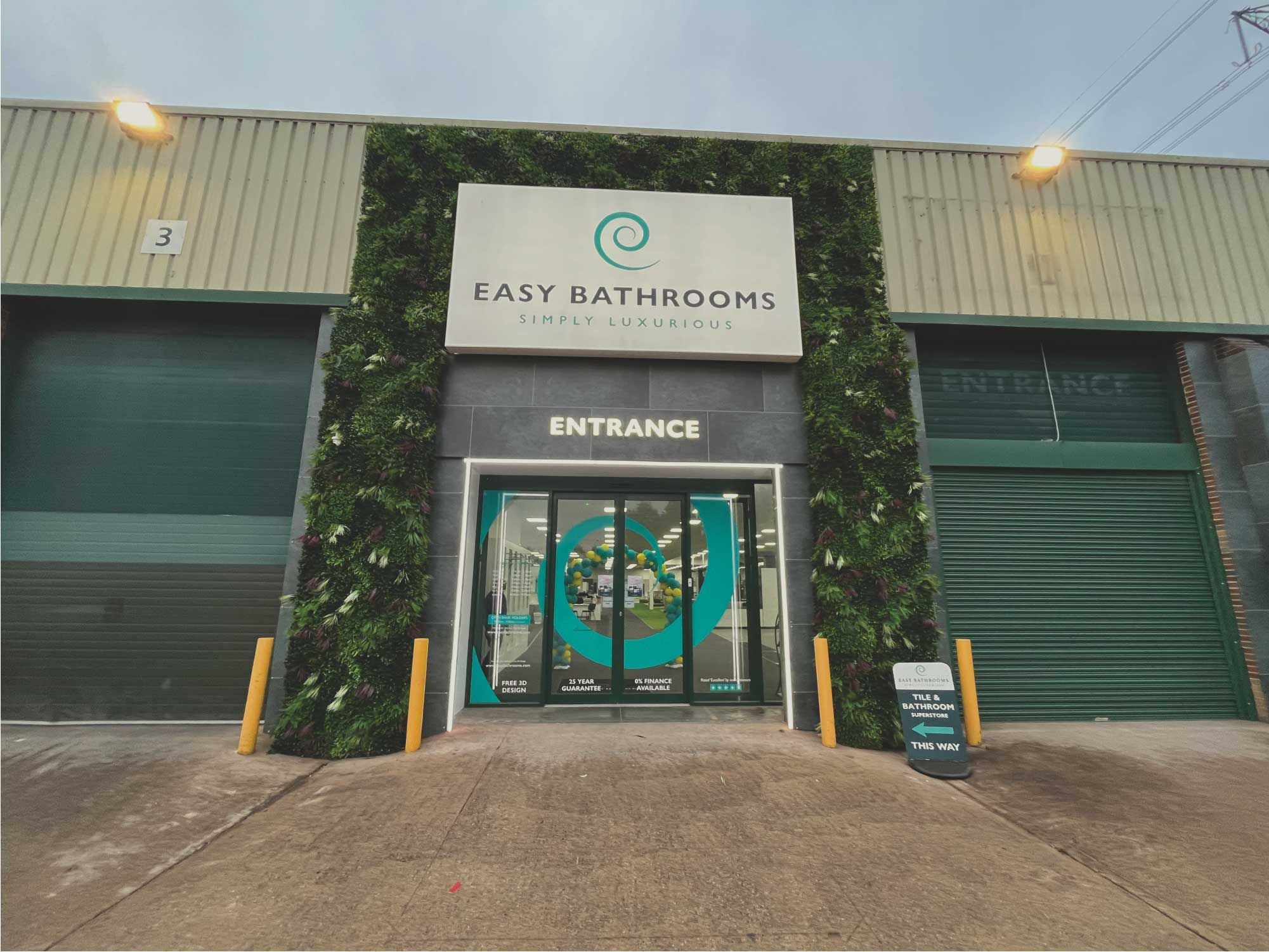


The work spans source pages, supporting content, and site structure together
Typical AI SEO work can include:
rewriting core service and category pages so they answer clearer intents
building supporting comparison, FAQ, and explainer content around the main offer
improving internal links, schema, and page relationships so the site is easier to interpret
reviewing where answer engines need real source depth rather than thin summary pages
The goal is not to chase mentions. It is to make the site more useful, more quotable, and easier to trust as the source.
What changing search behaviour means for visibility






Questions around AI SEO
AI search is changing how people discover brands, but the answer is not shallow optimisation for a new acronym. The useful work is still about stronger source pages, clearer entities, better internal linking, and site structure that can support answer-driven discovery.