SEO and CRO are often treated as separate disciplines, but that split becomes unhelpful quickly on a commercial website. Visibility without a strong landing experience wastes opportunity, and conversion work without dependable discovery limits how much impact the changes can have.
The more useful question is how the two disciplines support each other. SEO helps the right people arrive on the right pages. CRO helps those pages do a better job once the visitor gets there. When the site is weak in one area, the other discipline often ends up compensating for problems it cannot fully solve on its own.
Visibility Only Matters if the Landing Page Can Carry Intent
A page can rank well and still underperform. If the content is too vague, the structure is hard to navigate, or the next step is unclear, the traffic opportunity is only partially realised. SEO does not stop at getting someone onto the page. It should help land them somewhere useful.
That is why search strategy often needs to consider how category pages, service pages, or key entry pages are built. The page has to answer the searcher's question clearly enough to keep the journey moving rather than forcing them to start over.
Conversion Work Is Stronger With Better Intent Signals
CRO works best when the team understands who is arriving and why. SEO provides that context by clarifying which pages are being used for informational, comparative, or commercial discovery. If those page roles are blurred, conversion testing becomes less reliable because the traffic intent is mixed.
This is also why broad redesigns often underperform when they focus only on aesthetics. The team needs to know what each landing page is there to do, what kind of searcher it attracts, and what reassurance or direction that audience actually needs.
The Best Opportunities Usually Sit in the Middle
Some of the strongest gains come from pages that already attract relevant traffic but do not convert confidently enough. In those cases, the opportunity is not choosing SEO or CRO. It is improving message clarity, proof, page structure, or product context on pages that already have demand flowing through them.
That joined-up view is one reason brands often connect eCommerce SEO Services and CRO & Optimisation rather than treating them as separate project streams.
Treat Search and Conversion as One Commercial Journey
The site should make the transition from discovery to decision feel natural. That means aligning keyword targeting, content structure, proof, internal linking, and page design so the visitor does not hit a gap between what they searched for and what the page actually delivers.
If the wider question is how to make commercial pages work harder, the safest route is usually a combined review of discovery, page structure, and conversion friction rather than chasing isolated wins in either discipline.
Where the Commercial Friction Usually Sits
In topics like From Visibility to Conversions: The Impact of SEO and CRO, the deeper issue is often not a single tactic. It is the collection of smaller structural frictions across the store: weaker landing pages, uneven category logic, checkout hesitation, retention gaps, or platform constraints that make change harder than it should be.
Those frictions matter because they interrupt demand the business has already worked hard to attract. The store may look active from a distance while still losing confidence or momentum at key points in the customer journey.
How to Decide What to Fix First
The most useful first fixes are usually the ones tied closest to commercial intent. That may mean stronger category and product pages, cleaner checkout decisions, better retention handling, or a clearer understanding of whether the current platform is still helping the business trade well.
If the pressure is becoming more structural, it often helps to connect the work to Ecommerce Agency, Shopify Development, Bespoke Ecommerce, or Replatforming & Migrations rather than treating every issue as a standalone optimisation.
What a Stronger Ecommerce Setup Looks Like
A stronger store is easier to merchandise, easier to understand, and easier to improve without creating more workaround logic every quarter. The architecture, content, platform, and retention system all support each other instead of pulling in different directions.
That is what gives ecommerce improvements more lasting value. The business ends up with a trading system that is more resilient, not just a short-term patch for one symptom.
What to Review Before the Next Trading Push
A strong follow-on question after From Visibility to Conversions: The Impact of SEO and CRO is whether the store is actually set up to absorb the next round of demand cleanly. Category structure, product-page clarity, checkout confidence, platform flexibility, and retention readiness all matter because they determine whether the next campaign or growth phase lands on a stronger commercial base or the same underlying friction.
If those structural questions are now becoming more important than isolated tactical fixes, the work often belongs alongside Ecommerce Agency, Shopify Development, Bespoke Ecommerce, or Replatforming & Migrations depending on where the pressure is coming from.
Where to Go Next
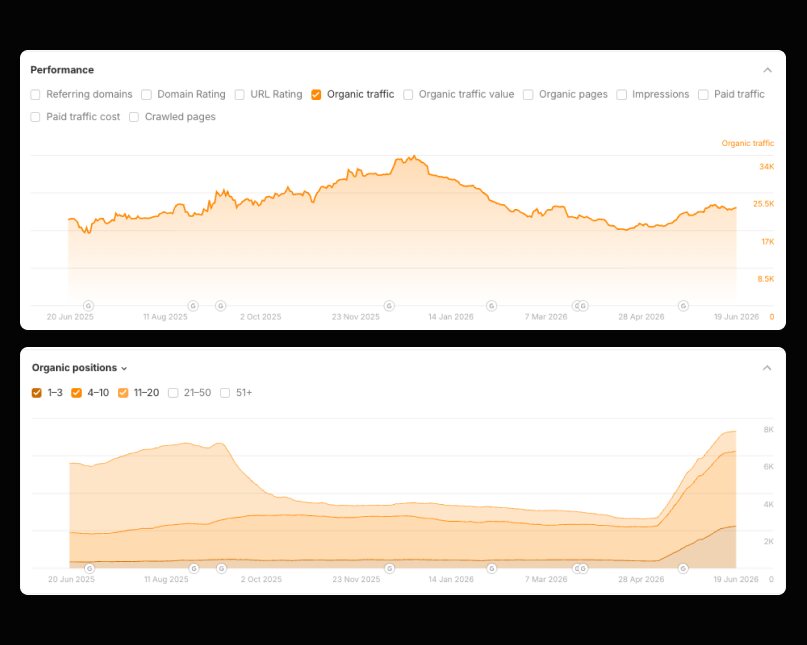
If visibility is improving but revenue impact is flatter than expected, the gap is often in how the landing pages support intent. That is where SEO and CRO stop being separate disciplines and start looking like the same commercial problem.





.png)