Bespoke software increases business efficiency when it removes friction from the way the business actually operates. That sounds obvious, but it is where many software projects drift. Teams start talking about features before they have defined which delays, handoffs, duplication, or visibility problems the product is supposed to solve.
Efficiency gains usually come from clearer workflow, stronger data handling, fewer manual workarounds, and better coordination between people and systems. In other words, bespoke software earns its value by making the operating model easier to run rather than by looking more tailored on paper.
Start With Workflow Friction, Not Feature Lists
Businesses often know they are losing time, but they describe the problem in software terms too early. The better starting point is where people are repeating tasks, re-entering information, waiting on approvals, or managing exceptions in spreadsheets and inboxes.
Once that friction is clear, it becomes easier to decide what the software should handle directly and what should stay simple. That is why the strongest Bespoke Software projects usually begin with process clarity rather than a long backlog of imagined features.
Efficiency Depends on Better Data Flow
Manual process overhead often comes from weak information flow rather than a lack of screens. If teams cannot trust statuses, duplicate records, or disconnected systems, they spend time checking, correcting, and chasing updates instead of moving work forward.
That is where integrations, reporting, and product logic need to align. Software becomes more efficient when the right information is available in the right place with dependable ownership and clear exception handling.
The Product Has to Support Real Decision-Making
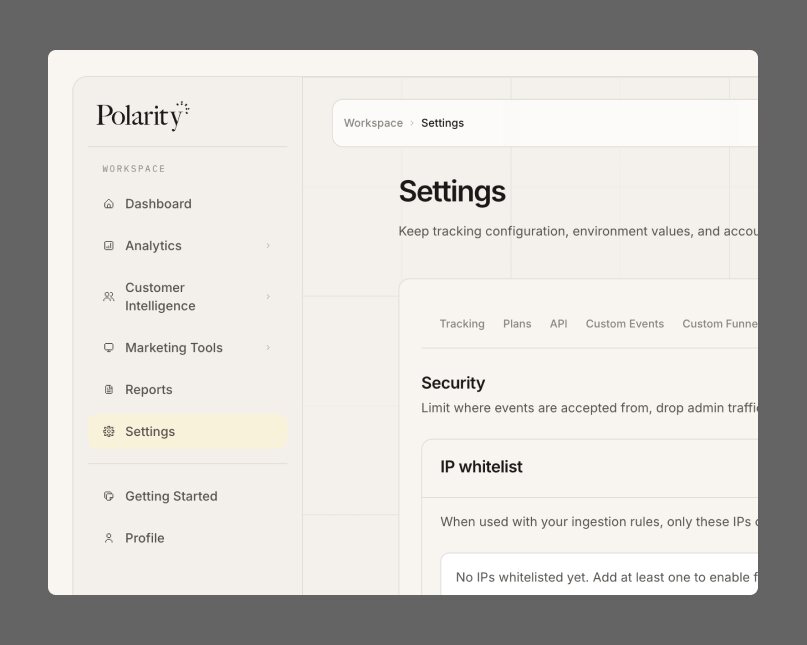
Efficiency is not just about doing the same tasks faster. It is also about helping people make better decisions without hunting for context. Dashboards, workflow prompts, permissions, and status design all matter because they shape how confidently the team can move through the work.
This is why software projects often overlap with Analytics & Reporting Tools and Integrations & Middleware. The efficiency gain often comes from visibility and coordination as much as from automation.
Good Software Makes the Business Easier to Support
A bespoke system should not create a fragile dependency that only works when the original team is still around to explain it. Real efficiency also depends on maintainability, clearer rules, and software that can adapt when the business changes.
If the product cannot absorb growth, new process steps, or better reporting requirements, any efficiency gain will flatten quickly. That is why operational clarity and long-term support matter from the beginning.
Where Teams Usually Get Stuck
In work shaped by How Bespoke Software Can Increase Business Efficiency, teams usually lose momentum when the process is still underdefined but the product conversation has already moved on to screens, tools, or technical implementation. That creates a brief that sounds specific without being grounded enough to support confident build decisions.
The result is usually more rework later. Operational uncertainty reappears as scope drift, fragile integrations, weaker reporting, or support problems that the software then has to carry. That is why a calmer discovery stage often saves far more time than it costs.
How to Prioritise the First Improvements
A sensible starting point is to identify the workflow friction that is happening most often, the data points the team cannot currently trust, and the handoffs that create the most delay. Those are usually more useful priorities than a long wish list of interface improvements.
If the business needs help turning those issues into a dependable product brief, it often makes sense to connect the work to Software Development, Bespoke Software, or Internal Tools & Workflow Systems rather than treating the problem as a feature backlog alone.
What a Stronger Software Setup Looks Like
A stronger setup is usually simpler than people expect. The workflow is clearer, ownership is easier to explain, integrations are designed around dependable rules, and the system is supportable enough that the team can keep improving it instead of working around it.
That is the real benchmark for good internal software. It should reduce coordination overhead, make the operation easier to trust, and leave the business with a product that can absorb change without becoming harder to run.
What to Review Before Building Further
Before another round of build work starts, it is usually worth checking whether the business has answered the workflow, ownership, and support questions that How Bespoke Software Can Increase Business Efficiency depends on. Those answers create the difference between a product that grows more useful over time and one that keeps accumulating edge-case fixes because the underlying model was never made explicit enough.
If the software is central enough that those questions now need a firmer structure, the next step often sits inside Software Development or Bespoke Software where the operating model can be defined clearly enough to guide the next phase of work.
Where to Go Next
If the business is relying on workarounds to keep the operation moving, bespoke software may be the right route when it is shaped around workflow, data flow, and supportability rather than a generic feature wishlist. That is where efficiency becomes durable instead of temporary.